Uterine Fibroids

What are uterine fibroids?

Uterine fibroids are noncancerous growths in or on the uterus that affect 25 to 40 percent of women in the United States, They can cause heavy bleeding, pelvic pain, pressure and can range in size from small nodules to large masses. Many patients are told that hysterectomy is their only solution — but thanks to today’s technology, that’s no longer the case.

At Clarity Care in Kansas City, our interventional radiologists specialize in minimally invasive fibroid treatments that offer effective relief without the need for surgery or removal of the uterus.
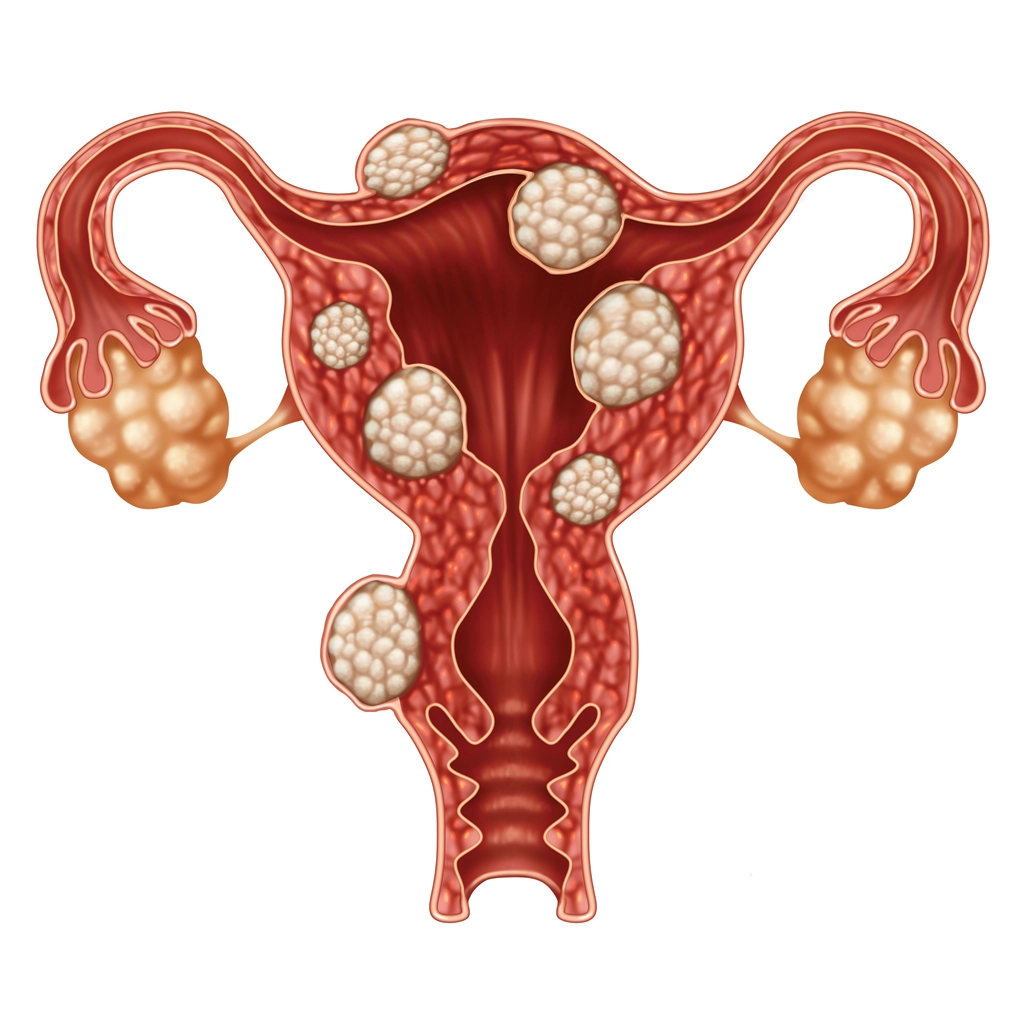
Common symptoms of uterine fibroids:

  • Heavy, prolonged menstrual periods
  • Spotting or bleeding between periods
  • Cramping and/or pelvic pain
  • Pain during sexual intercourse
  • Bladder pressure
  • Constipation
  • Frequent urination

If you’re experiencing these symptoms, our team can help determine whether Uterine Fibroid Embolization (UFE) is the right treatment for you.

A modern, non-surgical option: Uterine Fibroid Embolization (UFE)

No Surgery, Just Relief

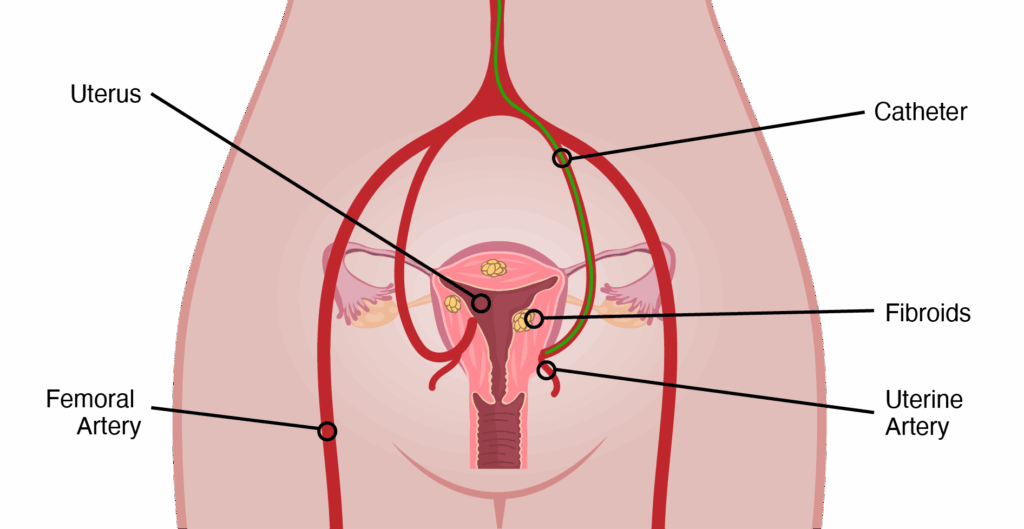
Uterine Fibroid Embolization is a non-surgical procedure performed by our board-certified interventional radiologists in Kansas City. Using image guidance, a tiny catheter is inserted through a small puncture in the wrist or groin and guided to the uterine arteries. Once in place, microscopic particles are released to block the blood flow to the fibroids. Over time, the fibroids shrink and symptoms improve — all without a hospital stay or major surgery. Patients return home the same day and resume normal activities within a week.

Benefits of Uterine Fibroid Embolization

Uterine fibroid embolization (UFE) offers advantages to traditional surgical methods, including preserved uterus and fertility, lower complication rates, and shorter recovery times. It is important to note that the choice between UFE and surgery is dependent upon many factors, including the size, number, and location of fibroids, as well as a woman’s personal preference and overall health. UFE treats only existing fibroids and cannot prevent future growth.

uterine fibroids

Why women choose Clarity Care for UFE in Kansas City

At Clarity Care, we are your trusted partner in healthcare. From your first consultation through recovery, our experienced interventional radiologists provide expert, personalized care focused on your comfort and long-term wellness.

We believe every woman deserves to understand her options — and to have access to treatments that fit her life. Our minimally invasive approach to fibroid treatment in Kansas City offers:

  • Less pain and downtime than traditional surgery
  • Precise, image-guided procedures performed by experts
  • Compassionate care and ongoing support from our dedicated team

Take our quiz to see if you qualify for UFE »

Uterine Fibroids FAQ

Uterine fibroids can be diagnosed through a combination of medical history, physical examination, and diagnostic tests. A discussion of symptoms and a pelvic exam or imaging tests that visualize the uterus and pelvis help physicians determine the location, size, and number of fibroids.

While the exact cause of uterine fibroids is unknown, several risk factors have been identified, including:

  • Age. Uterine fibroids are most common in women of reproductive age, typically between 30 and 50 years old. Risk of developing fibroids decreases after menopause.
  • Family History. If your mother or sister has suffered from uterine fibroids, you are at an increased risk.
  • Ethnicity. Studies have shown that certain ethnicities, including Black women, have a higher risk of developing uterine fibroids.
  • Hormone Levels. Estrogen and progesterone, the hormones that regulate the menstrual cycle, are thought to play a role in the development and growth of fibroids. Fibroids tend to grow during pregnancy when hormone levels are high and shrink after menopause.
  • Obesity. Being overweight may lead to hormonal imbalances, which contribute to fibroid growth.

Other Medical Conditions. Polycystic ovary syndrome and metabolic syndrome may increase the risk of uterine fibroids.

If you are considering uterine fibroid embolization (UFE), there are alternative procedures options you may want to discuss with your provider:

No Procedure. Smaller fibroids bring fewer symptoms, and some fibroids may shrink naturally after menopause. For fibroids that are small or asymptomatic, a “watchful waiting” approach that includes regular monitoring may be the best course of action.

Medications. Birth control pills and other medications that control hormones can help with temporary relief of pain and discomfort, but only treat the symptoms – not the fibroids.

Surgery:

  • Myomectomy. This surgical procedure involves the removal of fibroids while preserving the uterus.
  • Hysterectomy. This procedure involves the surgical removal of the uterus, eliminating the possibility of future fibroid growth or symptoms. This is maybe recommended for women who do not wish to bear children in the future.

Endometrial Ablation. This is a minimally invasive procedure that destroys the lining of the uterus, reducing menstrual bleeding for women with small fibroids who primarily have heavy or prolonged periods.

UFE offers a highly effective alternative to surgery and is considered a safe and effective procedure for fibroids. As with any procedure, however, there are potential risks. Complications may include pain and discomfort, allergic reaction to contrast dye, infection at the incision site, damage to surrounding tissues and organs, and rarely, premature menopause. Despite these risks, the overall complication rate associated with UFE is low, and most women who undergo this procedure experience no major issues.

Insurance coverage for uterine fibroid embolization (UFE) can vary depending on specific insurance plans and providers. Before undergoing UFE, Clarity Care’s knowledgeable staff can work with you and your insurance company to review coverage details, including preauthorization requirements, necessary documentation, and potential out of pocket costs. Clarity Care also offers financing options that you can learn about here.

Clarity Care Imaging & Specialty Care is at 9040 Quivira Road in Lenexa, Kansas. Our center is conveniently located just north of Oak Park Mall with easy access from much of the Kansas City area including Overland Park, Olathe, Shawnee, Merriam, Mission, Leawood and Prairie Village.

Clarity Care’s subspecialized physicians are board-certified with years of experience in image-guided minimally invasive procedures, offering innovative solutions to a list of conditions and diseases that today can be managed in a convenient, more affordable setting.

Find relief and restore your quality of life

If you’ve been told you need surgery for fibroids, explore your options first. Clarity Care’s Uterine Fibroid Embolization in Kansas City can relieve your symptoms and help you get back to life faster — without surgery.

Schedule your consultation today to learn more about non-surgical fibroid treatment at Clarity Care.

Do you qualify for UFE? Take our quiz below to find out!