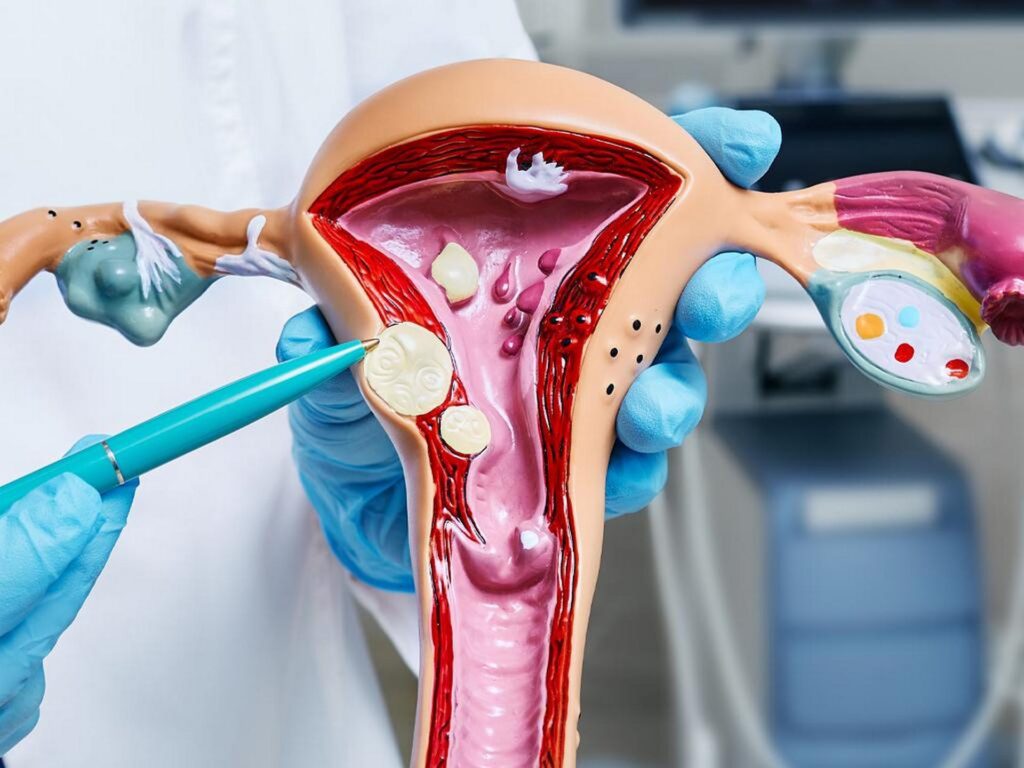
Uterine Fibroid Awareness Month
July is National Fibroid Awareness Month. This is a time to talk about uterine fibroids—a common health issue that affects millions of women but is often not discussed enough. Fibroids can affect a woman’s health, fertility, and daily life. Yet many women aren’t aware of what they are or how they can be treated.
What Are Uterine Fibroids?
Uterine fibroids are non-cancerous growths that form in or around the uterus. They are made of muscle and tissue and can be as small as a seed or as large as a melon.
Fibroids are most common in women between the ages of 30 and 50, and are more common among black women. Not all fibroids cause symptoms. But when they do, symptoms can include:
- Heavy or long periods
- Pain or pressure in the lower belly
- Frequent need to pee
- Constipation
- Pain during sex
- Problems getting pregnant or staying pregnant
Doctors aren’t sure what causes fibroids, but hormones like estrogen and progesterone may play a role. Genetics may also be a factor.
Treatment Options
There are many ways to treat fibroids. In the past, surgery was often the main option. This included:
- Myomectomy: removes the fibroids via surgery
- Hysterectomy: removal of the uterus
- Uterine Fibroid Embolization: a non-surgical option that cuts off the blood supply to the fibroid
- Surgical treatments like hysterectomy have been the go-to treatment for decades, and only recently have non-surgical solutions become an option.
UFE is a non-surgical procedure done by a doctor called an interventional radiologist. The doctor blocks the blood supply to the fibroids, which makes them shrink. Most women start to feel better within a few weeks or months. UFE usually doesn’t require a hospital stay, and recovery is quick. Plus, it keeps the uterus in place, which may be important for women who want to have children in the future.
How to Choose the Right Treatment
The best treatment for you depends on your symptoms, the size and number of fibroids, your age, and whether you want to have children. Some women may be able to manage their fibroids with medicine or lifestyle changes. Others may need a procedure like UFE or surgery.
During Uterine Fibroid Awareness Month, take time to learn about your options. Talk to your doctor about what’s best for your body and your future. You don’t have to suffer in silence—help and support are available.
You can learn more or schedule a UFE consultation at kcfibroids.com »