Uterine Fibroid Embolization (UFE)

A minimally invasive way to treat uterine fibroids

If you struggle with uterine fibroids, there is a proven, non-surgical option! You no longer have to suffer with the debilitating symptoms of fibroids. Learn more about UFE and why it’s recommended as a non-surgical alternative to hysterectomy by the American College of Obstetrics and Gynecology (ACOG).

Did you know?

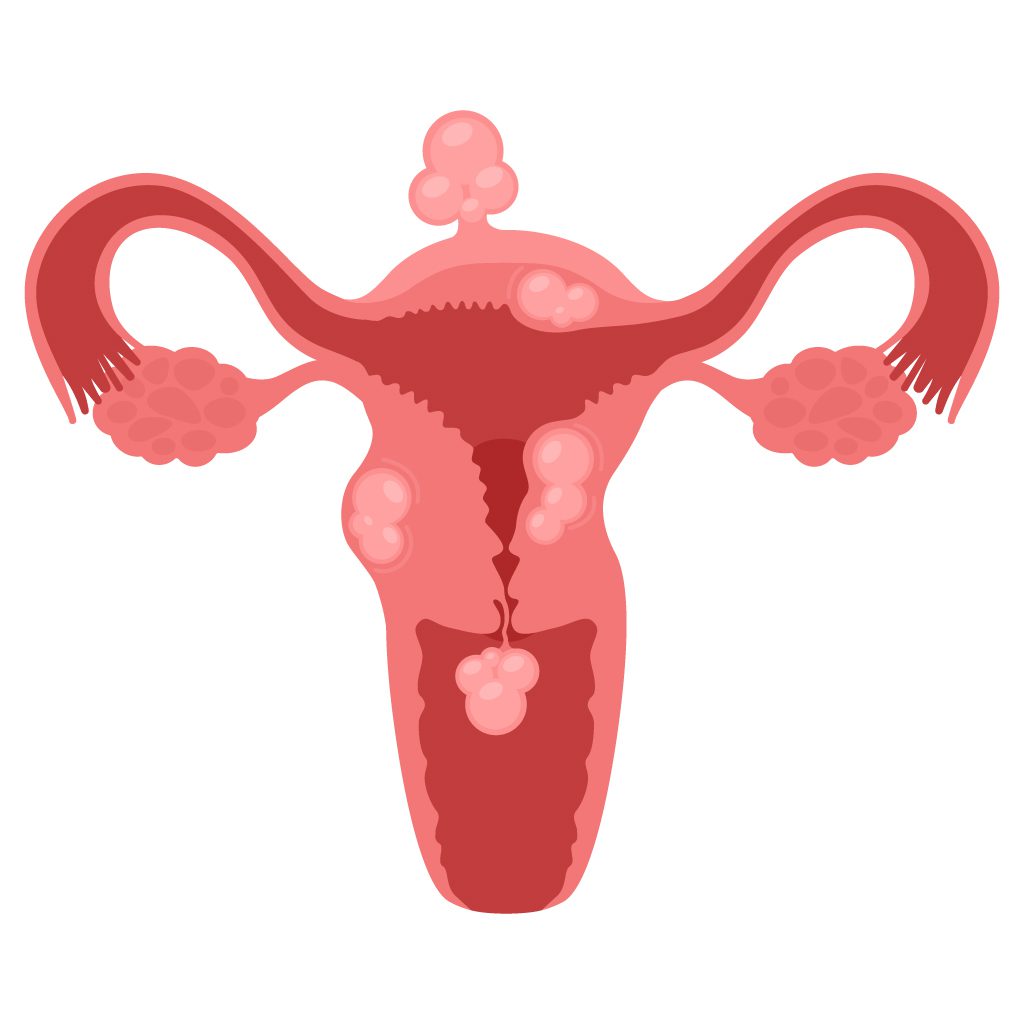
  • Uterine fibroids are benign (non-cancerous) tumors that grow on or within the lining of the uterus.
  • They can range in size from as small as a grape to as large as a cantaloupe.
  • Approximately 20-40% of women over age 35 have fibroids.
  • African American women are three times more likely to develop them than women of other ethnicities.

For some women, the symptoms of uterine fibroids can be overwhelming

As fibroids grow, they can result in severe pelvic pain or discomfort, urinary incontinence, frequent urination and heavy menstrual bleeding. The location and size of uterine fibroids can affect the severity of these symptoms. Fibroids are also hormonally sensitive, so the symptoms can be cyclical, just like with menstruation.

Fibroids can impact your quality of life

For many women, fibroids have forced them to take many steps to prevent “accidents.” These women must plan very carefully during their periods. This may mean having extra products on hand, carefully choosing wardrobe and even avoiding certain activities. Normal life has disappeared, replaced with a rigorous regimen of preparation and precaution.

Hysterectomy is NOT your only option

When fibroid symptoms become intolerable, many women undergo hysterectomy—the most common treatment for fibroids. But of the 600,000 hysterectomies performed in the United States each year, it is now estimated that 75% of these may be unnecessary.

There is a growing movement to reduce the number of unnecessary hysterectomies performed each year, which is now possible thanks to advances in technology. In fact, an article in AARP The Magazine called hysterectomy one of “4 surgeries to avoid.”

Is there another treatment option?

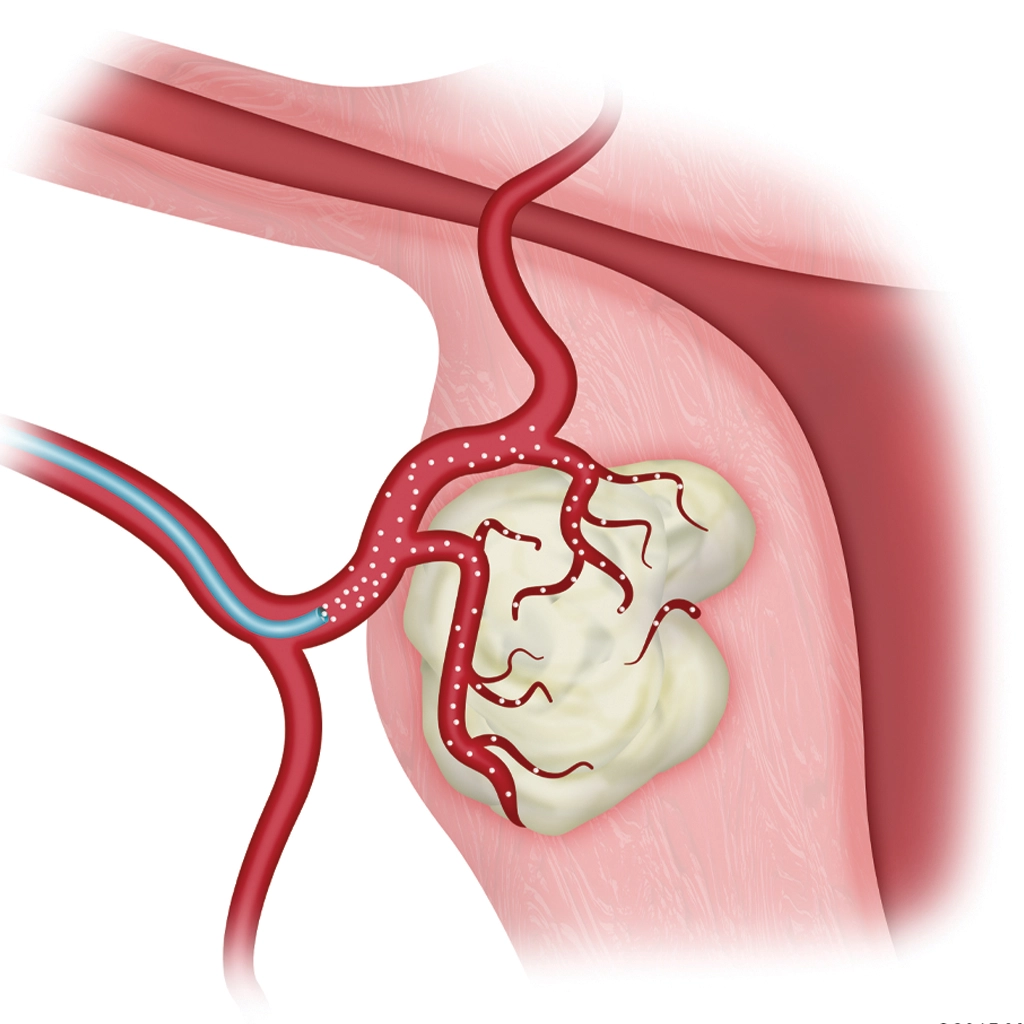
Fortunately, there is! Uterine fibroid embolization (UFE) is a less invasive, FDA-approved and highly effective approach for treating fibroids. A specialized doctor performs the procedure called an interventional radiologist, who uses X-ray imaging to guide a catheter through the femoral artery in the groin to the uterine artery. When the catheter has reached the location of the fibroids, the radiologist embolizes or “blocks” the blood vessels that feed the fibroid, depriving it of oxygenated blood. The fibroid then shrinks, and the symptoms gradually disappear.

UFE is performed on an outpatient basis at Clarity Care. It takes less than an hour, and the patient may return home within 24 hours after the procedure. The doctors at Clarity Care are among the region’s most experienced professionals at performing UFE, and have undergone additional 1-2 years of subspecialty training to perform this procedure.

Women who undergo UFE have experienced a high level of satisfaction and a significant improvement to their quality of life, even over the long term.1,2 In a recent study of four randomized clinical trials comparing UFE to surgical interventions, UFE was associated with less blood loss, a shorter hospital stay and a faster return to work.3

Is UFE right for me?

You may be a candidate for uterine fibroid embolization if you:

  • Are experiencing the symptoms of uterine fibroids
  • Are not or no longer wish to become pregnant
  • Are seeking an alternative to hysterectomy (removal of the uterus)
  • Wish to avoid surgery or are a poor candidate for surgery

It is not known the long-term effects that UFE has on a woman’s ability to become pregnant. If you decide on UFE, becoming pregnant in the future can be extremely difficult, although some women have had successful pregnancies after UFE. As with all medical procedures, talk to your doctor if you have questions, and to help determine if UFE is right for you.

Am I a Candidate for Uterine Fibroid Embolization (UFE)?

If you’re wondering whether UFE might be right for you, this brief self-assessment can help you better understand the typical qualifications. Simply read through the questions below to see if they align with your experience.

Question 1. Do you still have your uterus?

UFE is a treatment for uterine fibroids, so it is only appropriate for individuals who still have their uterus. If you’ve had a hysterectomy, this procedure isn’t applicable.

Question 2: Are you pre-menopausal?

UFE is most effective for individuals who have not yet reached perimenopause or menopause. If you are already in one of these stages, fibroid symptoms often decrease naturally, and other treatment options may be more suitable.

Question 3: Are you experiencing symptoms that could be related to fibroids?

Uterine fibroids can cause a variety of symptoms. Common ones include:

  • Heavy menstrual bleeding
  • Pelvic pain or cramping
  • Lower back pain
  • Frequent or difficult urination

If you’re experiencing one or more of these issues, you may be a good candidate for UFE.

What this means for you:

If you still have your uterus, are not in perimenopause or menopause, and are experiencing one or more fibroid-related symptoms, you may be eligible for UFE.

Our fibroid specialists can help you confirm a diagnosis and explore your options. Use the form below to request a consultation and take the next step toward relief.

If you’re unsure or don’t meet all the criteria, we still encourage you to reach out. Our team can guide you through alternative solutions based on your unique health needs.